
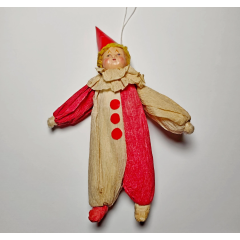
160.00 USD
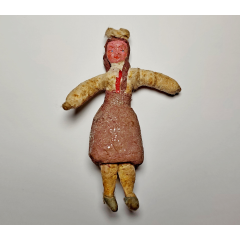
80.00 USD
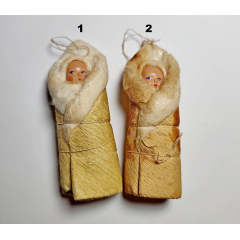
56.00 USD
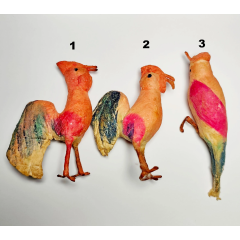
40.00 USD
Showing 1 to 4 of 4 (1 Pages)
The Artistic Warmth of Soviet Spun Cotton: Hand-Crafted Winter Tales
In the diverse history of Soviet holiday decorations, the "Cotton Ornaments" category represents a deeply personal and artisanal tradition. Known as vatnaya igrushka, these pieces were the mainstay of the pre-war and early post-war eras, before the mass production of glass took over. Crafted from layers of pressed and spun cotton wool, often reinforced with wire frames and finished with paste and paint, these ornaments carry a tactile warmth and a sense of "living" history that is unmatched by any other material.
The Golden Age of the Cotton Figurine
The production of cotton ornaments peaked in the 1930s through the 1950s. During this time, small artisanal cooperatives (artels) employed thousands of skilled workers who sculpted each figurine by hand. Because they were not constrained by the technical limits of glass blowing, artisans could create incredibly expressive and anatomically detailed characters. These toys were designed to be durable and safe, making them a beloved fixture on Soviet trees for generations.
The production of cotton ornaments peaked in the 1930s through the 1950s. During this time, small artisanal cooperatives (artels) employed thousands of skilled workers who sculpted each figurine by hand. Because they were not constrained by the technical limits of glass blowing, artisans could create incredibly expressive and anatomically detailed characters. These toys were designed to be durable and safe, making them a beloved fixture on Soviet trees for generations.
A Microcosm of Soviet Life: Iconic Themes
The themes of spun cotton ornaments offer a fascinating glimpse into the daily life and cultural ideals of the mid-20th century:
The themes of spun cotton ornaments offer a fascinating glimpse into the daily life and cultural ideals of the mid-20th century:
- Children and Everyday Heroes: Some of the most iconic pieces depict children engaged in winter activities—little boys with skis, girls in warm coats (fur coats) holding muffs, or young pioneers. These figurines were often given expressive clay or papier-mâché faces, hand-painted to give each one a unique personality.
- Forest Animals and Birds: Cotton was the perfect medium for mimicking the soft textures of fur and feathers. You will find charming rabbits, squirrels, and bears, as well as exotic animals like polar bears or penguins, symbolizing the Soviet exploration of the Arctic.
- Fruits, Vegetables, and Mushrooms: Using a technique known as "dipping," artisans created realistic cotton apples, pears, and mushrooms. These were often coated in a shimmering layer of mica or starch paste to give them a naturalistic, slightly frosted appearance.
- Fairytale and Folklore Characters: From the legendary Grandfather Frost and Snow Maiden to characters from the tales of Pushkin, cotton allowed for elaborate costumes and dynamic poses that brought legends to life on the branches of the tree.
The Craft: Paste, Paint, and Mica
The creation of a cotton ornament was a multi-stage process. A wire "skeleton" was wrapped in cotton wool, which was then shaped using a special starch-based paste (kleister). Once the form was dry, it was hand-painted with vibrant aniline or tempera paints. Many pieces were then dusted with "berthollet salt" or mica to create a sparkling, snowy effect that glistened under the festive lights. This combination of materials gives vintage cotton toys their characteristic matte finish and soft, rounded contours.
The creation of a cotton ornament was a multi-stage process. A wire "skeleton" was wrapped in cotton wool, which was then shaped using a special starch-based paste (kleister). Once the form was dry, it was hand-painted with vibrant aniline or tempera paints. Many pieces were then dusted with "berthollet salt" or mica to create a sparkling, snowy effect that glistened under the festive lights. This combination of materials gives vintage cotton toys their characteristic matte finish and soft, rounded contours.
The Collector’s Legacy: Rarity and Condition
For the discerning collector, cotton ornaments are prized for their individual craftsmanship. Since no two pieces are identical, they are considered true works of folk art. The primary challenge for preservation is the vulnerability of the material to moisture and dust. Finding an early 1940s or 50s cotton figurine with its original paint and structural integrity is a significant achievement. Collectors highly value pieces that retain their original papier-mâché faces and the subtle "patina" of time that proves their authenticity.
For the discerning collector, cotton ornaments are prized for their individual craftsmanship. Since no two pieces are identical, they are considered true works of folk art. The primary challenge for preservation is the vulnerability of the material to moisture and dust. Finding an early 1940s or 50s cotton figurine with its original paint and structural integrity is a significant achievement. Collectors highly value pieces that retain their original papier-mâché faces and the subtle "patina" of time that proves their authenticity.
Why Choose Vintage Cotton Ornaments?
Incorporating spun cotton ornaments into a holiday display adds a layer of rustic, old-world charm. They provide a beautiful contrast to the reflective surfaces of glass, offering a soft and cozy aesthetic. These ornaments are not just decorations; they are small sculptures that tell a story of a time when every holiday toy was a unique labor of love.
Incorporating spun cotton ornaments into a holiday display adds a layer of rustic, old-world charm. They provide a beautiful contrast to the reflective surfaces of glass, offering a soft and cozy aesthetic. These ornaments are not just decorations; they are small sculptures that tell a story of a time when every holiday toy was a unique labor of love.